|
I am a molecular ecologist who uses metatranscriptomics, DNA metabarcoding, and qPCR-based environmental DNA analysis to study population and community dynamics in freshwater ecosystems. Using the genes-to-ecosystem approach, I hope to understand how freshwater populations respond to natural and anthropogenic disturbances.
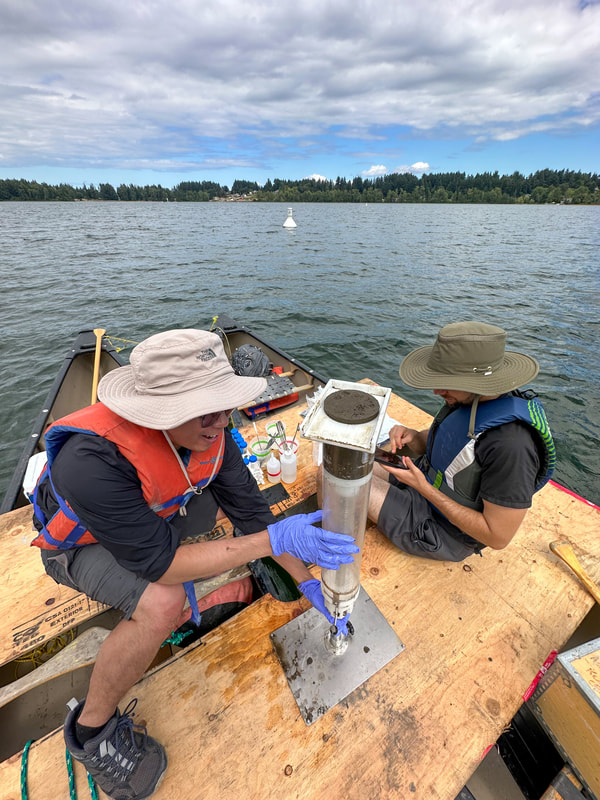
I am a Liber Ero Postdoctoral Fellow in the Helbing Laboratory at the University of Victoria (British Columbia, Canada). I handle projects for the Alberta Oil Sands Monitoring Program and iTrackDNA, where we focus on developing environmental DNA (eDNA) tools and implementing them into environmental monitoring in collaboration with First Nations communities. We constructed species-targeted qPCR-based eDNA tools that our Indigenous partners can use to monitor key species within their territories. We also evaluate qPCR-based eDNA procedures to recreate baseline fish records in selected lakes in Alberta's Oil Sands region. 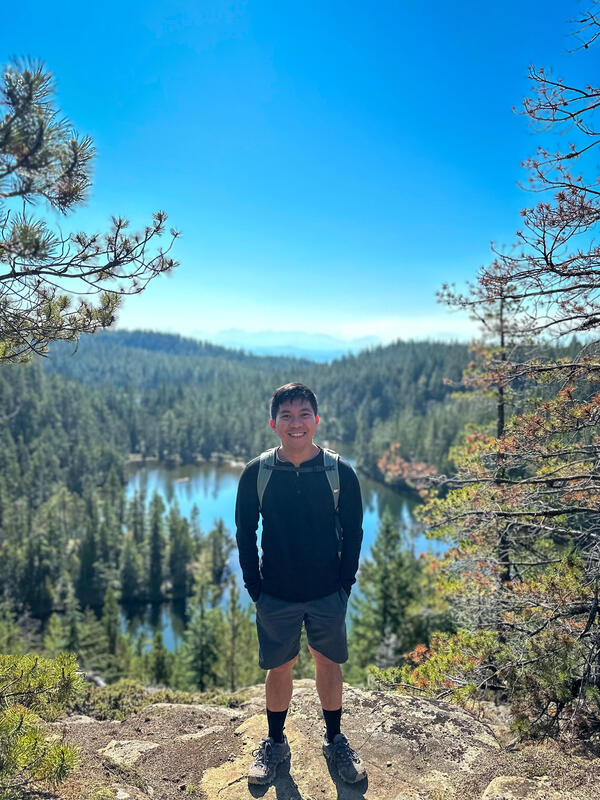
|

I received my Ph.D. in Biodiversity from the National Taiwan Normal University and the Taiwan International Graduate Program (TIGP), Academica Sinica. For my Ph.D. dissertation, I used metatranscriptomics to characterize the diversity and assemblages of zooplankton communities in freshwater bodies. We aim to understand the relationship between transcript and organism biomass (allometric scaling) and use it to monitor zooplankton communities in aquatic habitats. In addition, I am interested in the taxonomy and ecology of microcrustacean zooplankton found in groundwater as well as surface bodies in the Philippines and Southeast Asia. I have produced several publications on the taxonomy, distribution, and ecology of Copepods and Cladocerans in the region's groundwater-dependent ecosystems.
|
PARTNERS